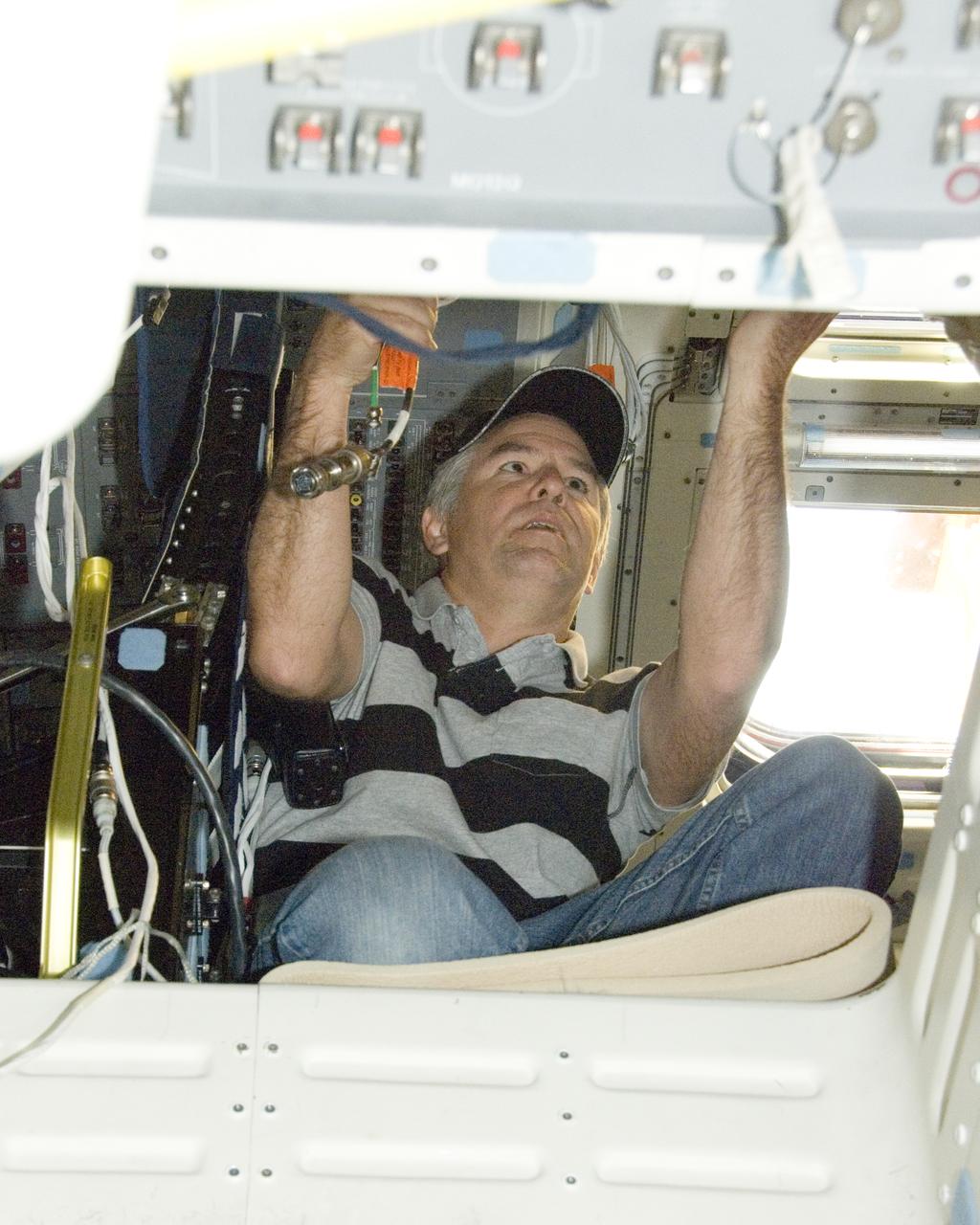
Technician Mark Shimei works inside Space Shuttle Endeavour's flight deck during deservicing operations at NASA Dryden following its landing on Nov. 30, 2008
Open
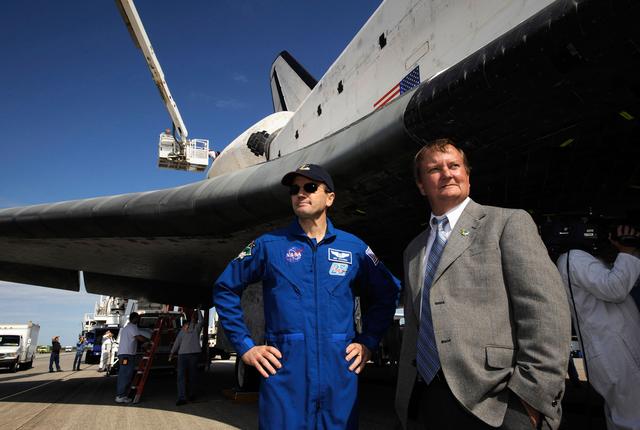
200802200007HQ Space Shuttle Atlantis (STS-122) Lands
Open
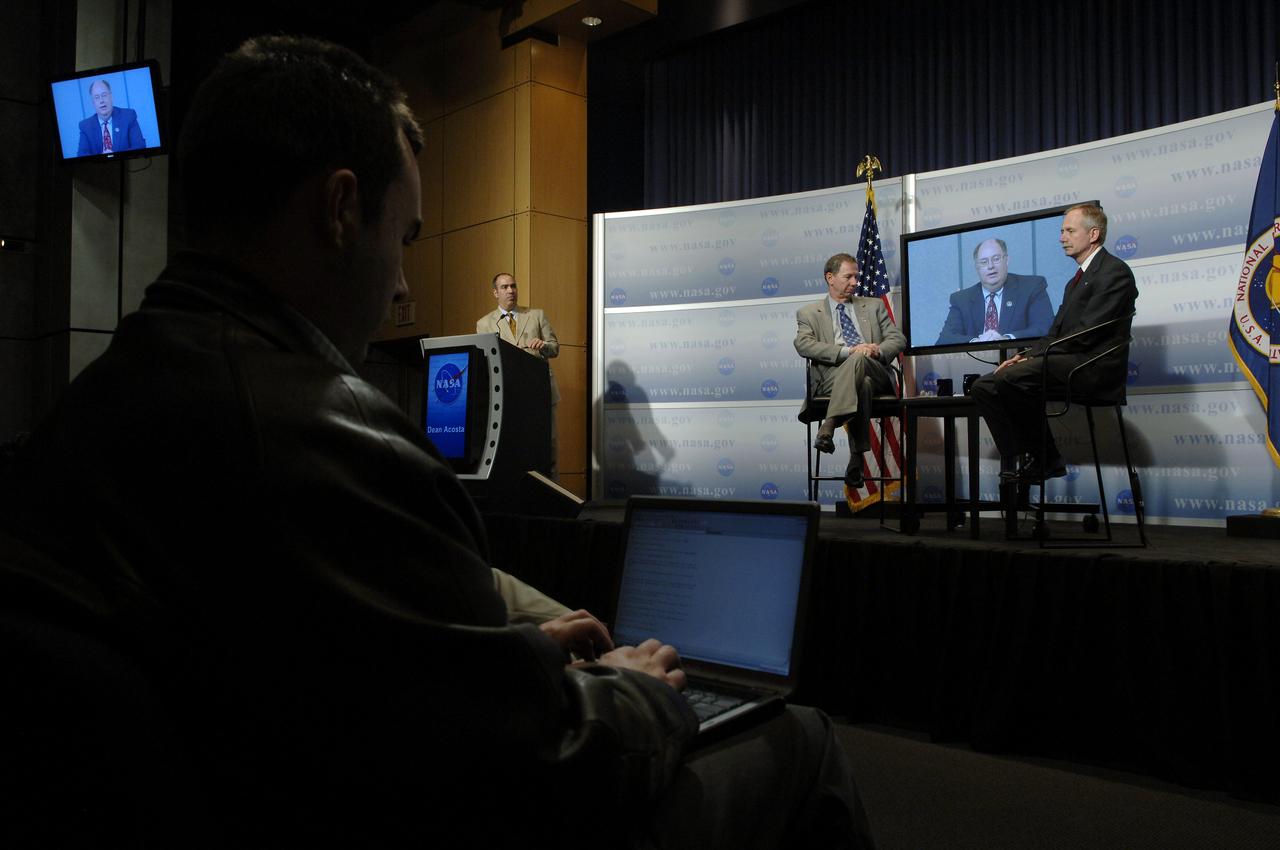
STS-121 Space Shuttle Processing Update
Open

STS-121 Space Shuttle Processing Update
Open
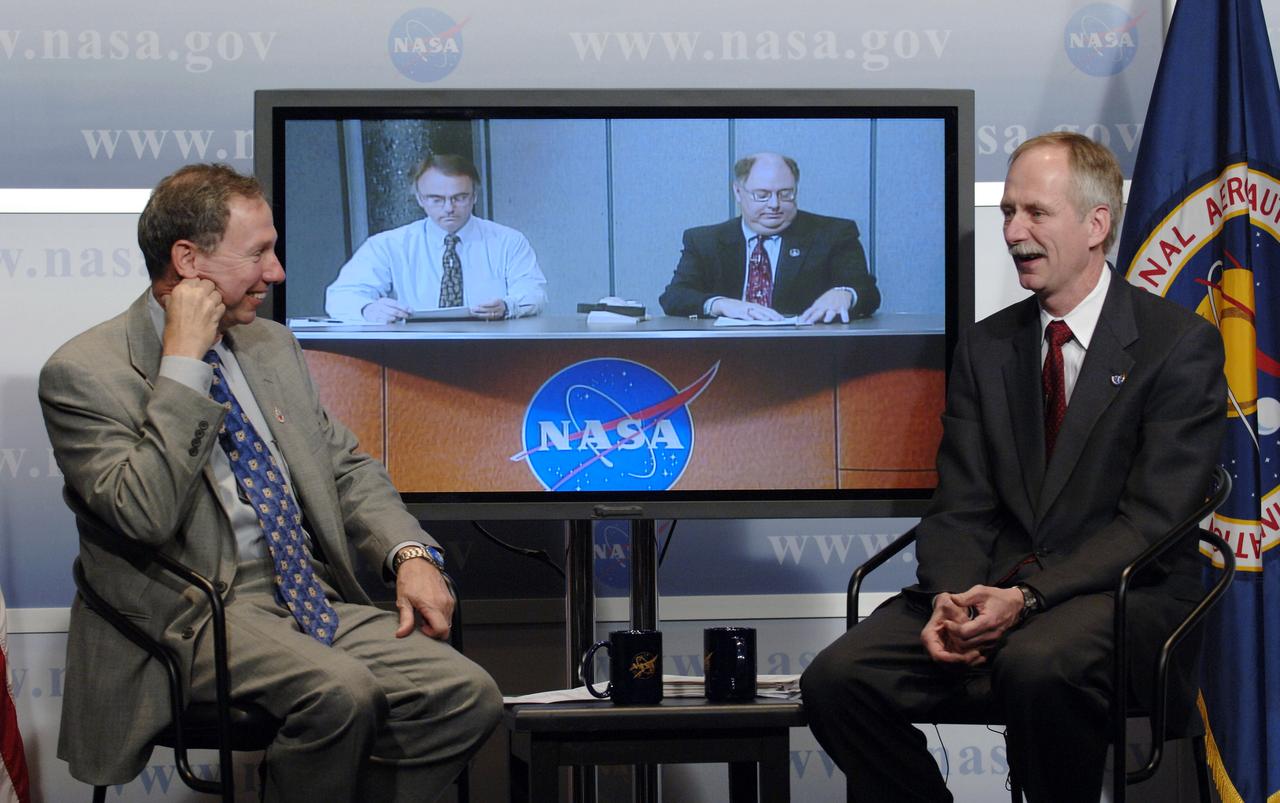
STS-121 Space Shuttle Processing Update
Open
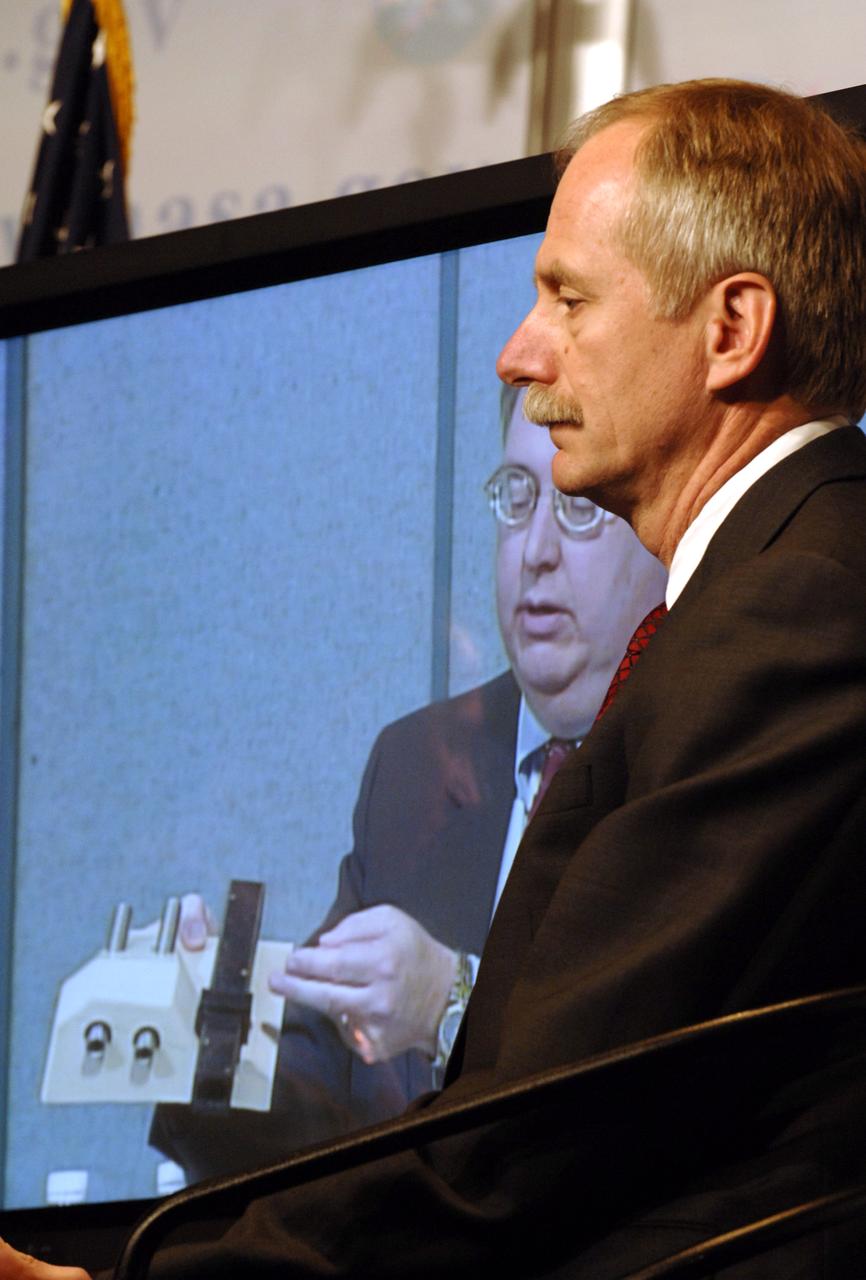
STS-121 Space Shuttle Processing Update
Open
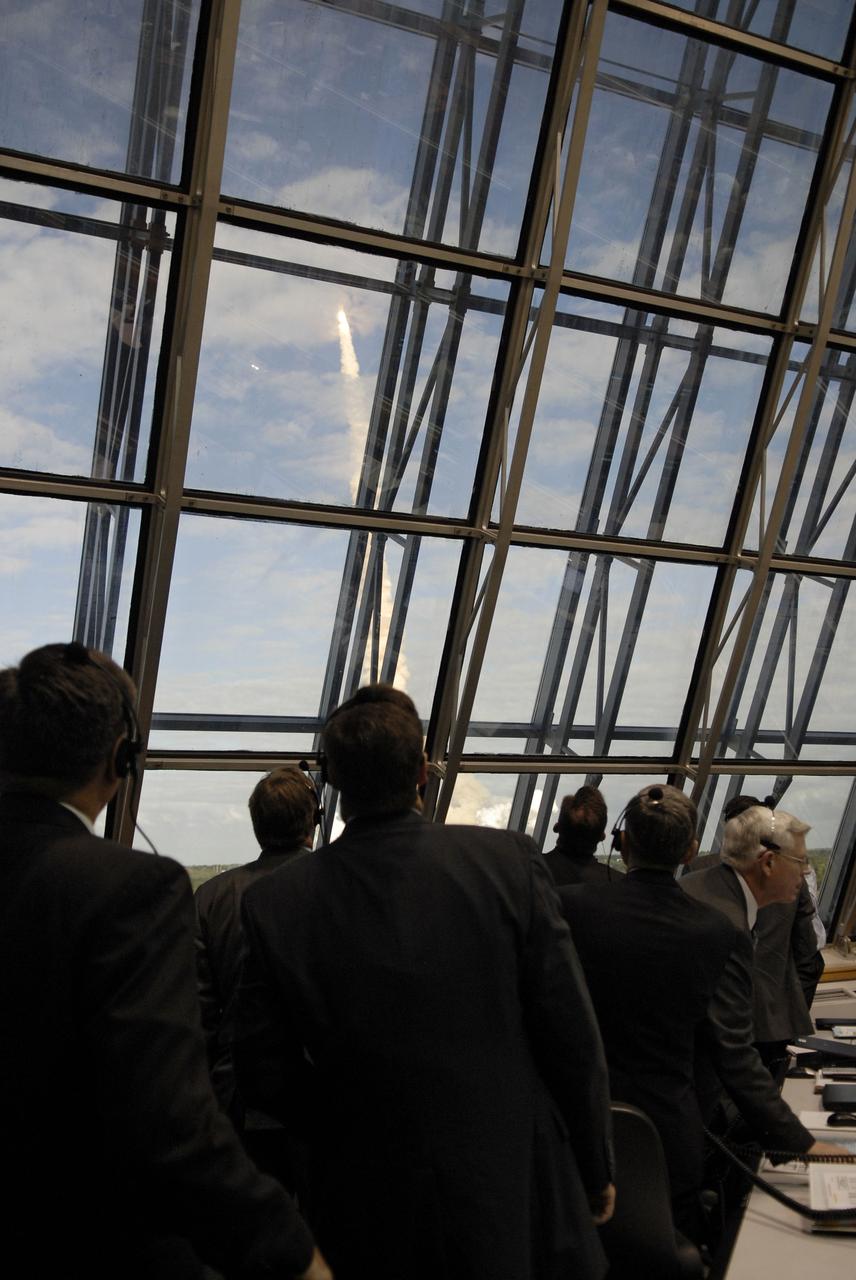
Launch of Space Shuttle Atlantis / STS-129 Mission
Open
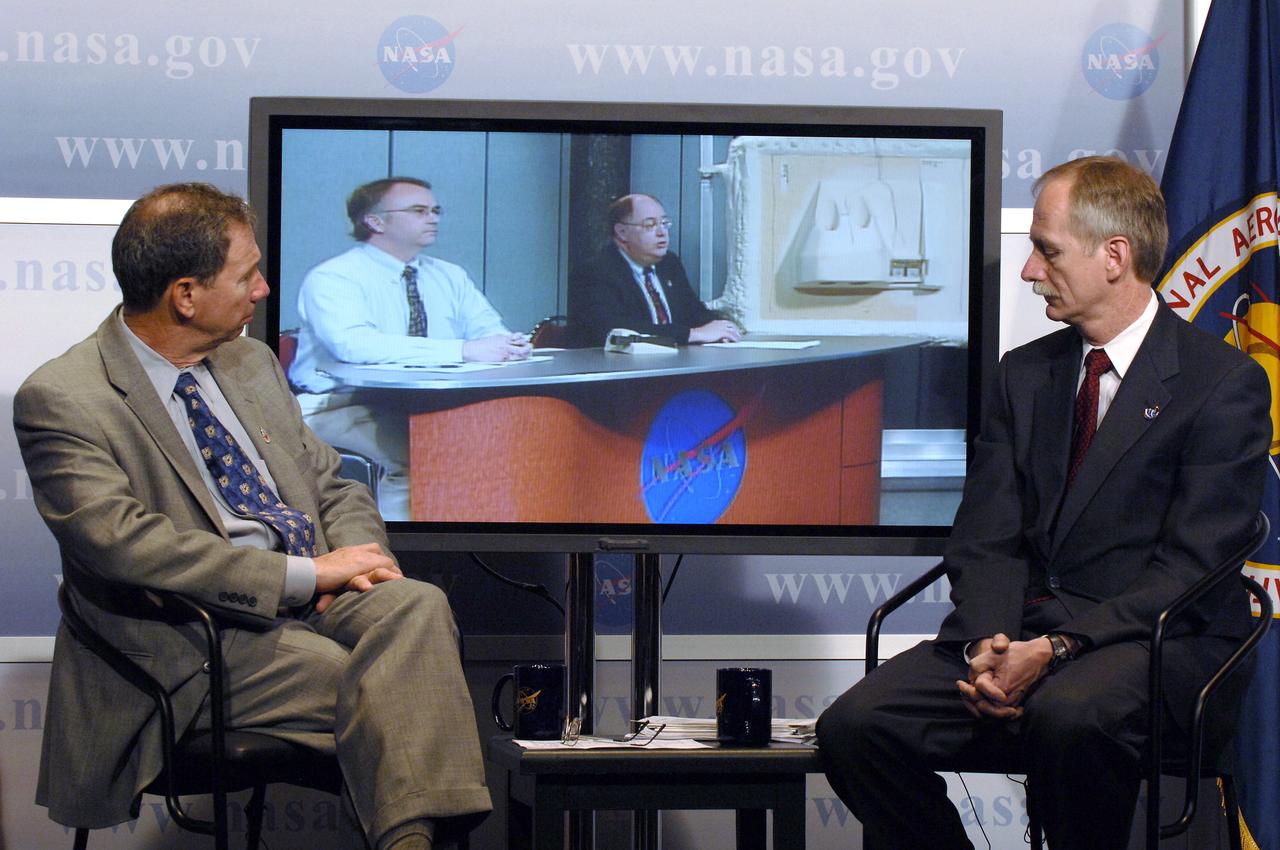
STS-121 Space Shuttle Processing Update
Open
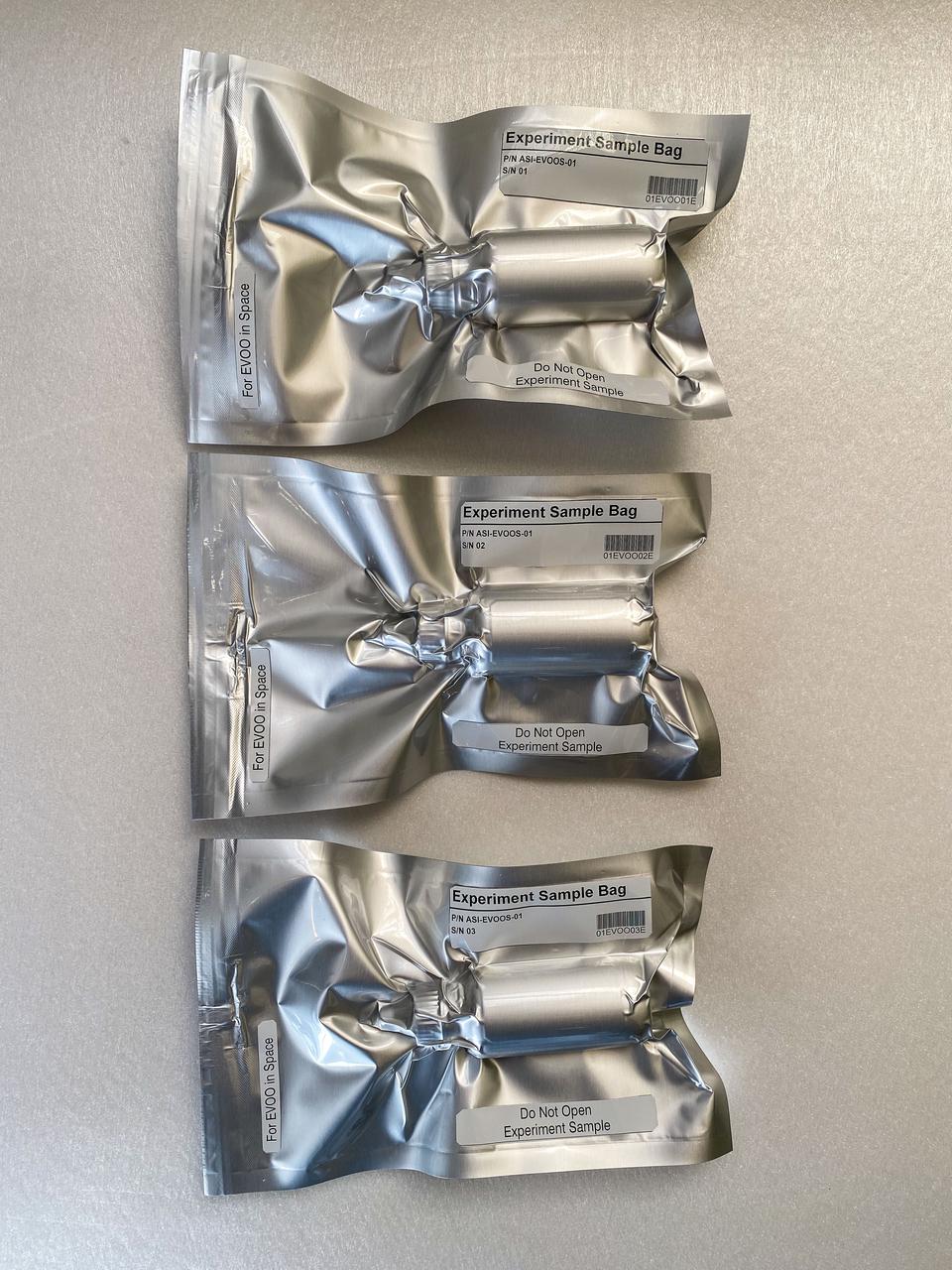
Extra-Virgin Olive Oil in Space (EVOOS) samples
Open
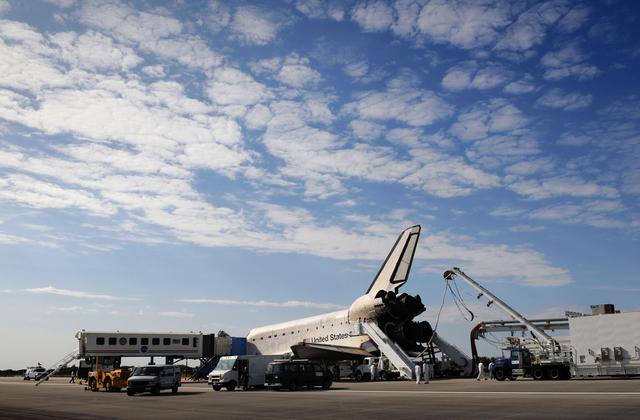
200802200006HQ Space Shuttle Atlantis (STS-122) Lands
Open
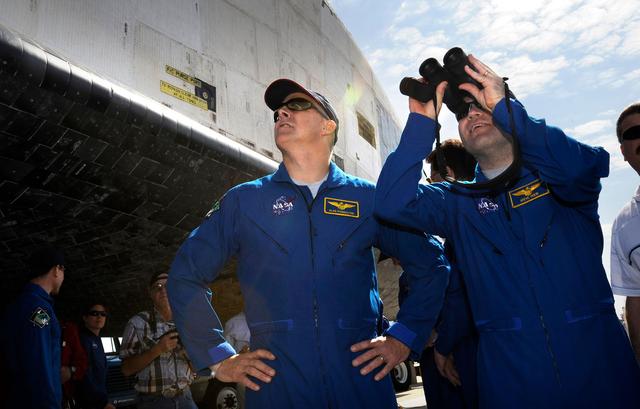
200802200005HQ Space Shuttle Atlantis (STS-122) Lands
Open
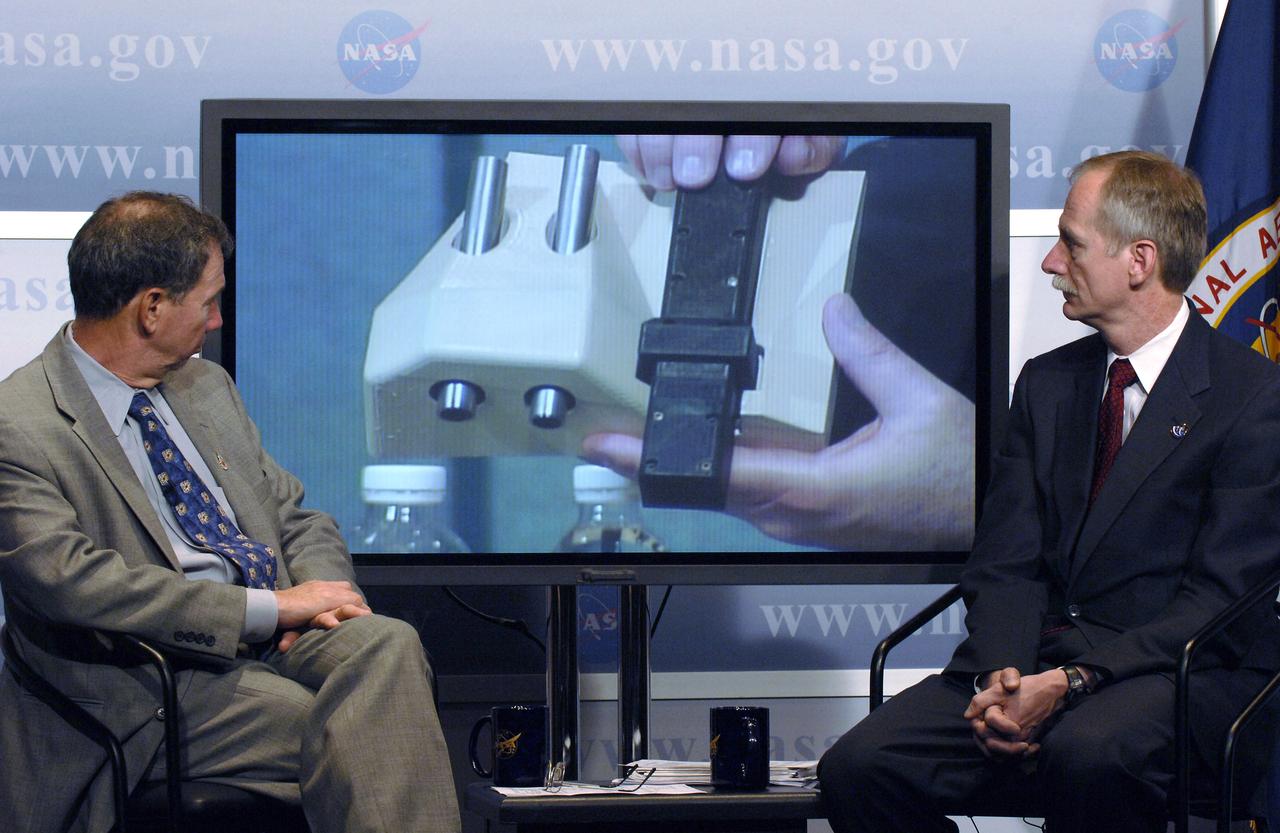
STS-121 Space Shuttle Processing Update
Open
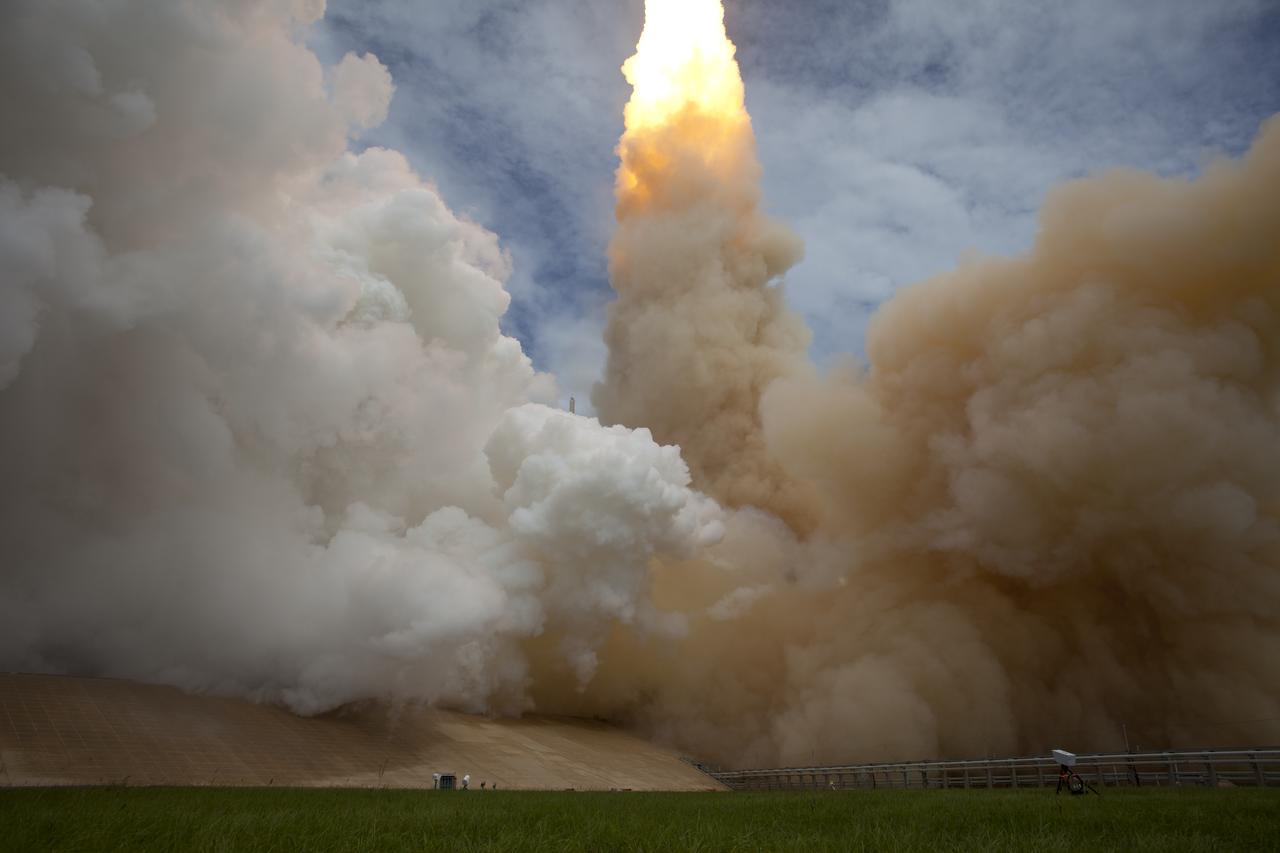
STS-135 Atlantis Launch
Open
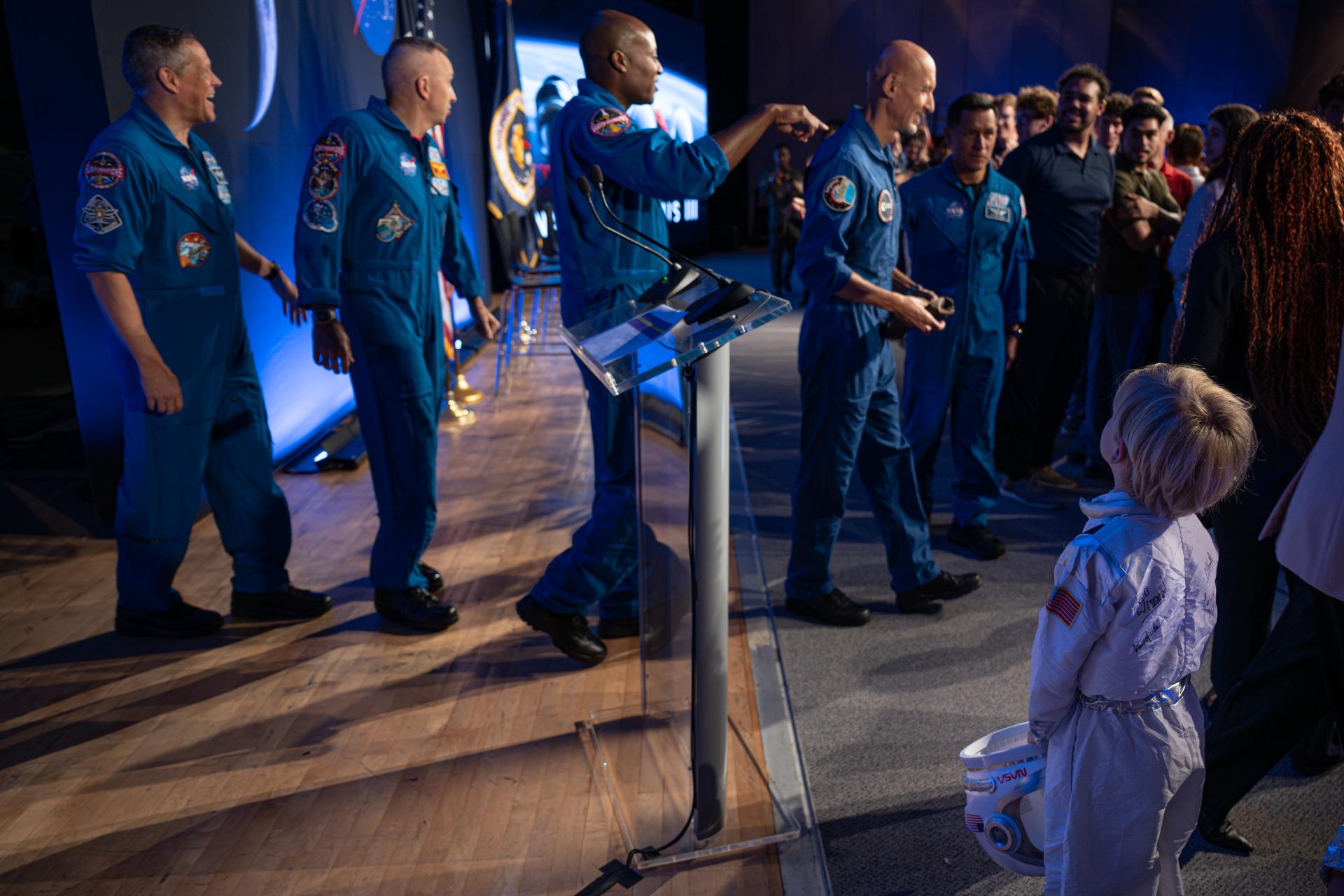
Artemis III Crew Announcement
Open

KENNEDY SPACE CENTER, FLA. - STS-115 Mission Specialist Joseph Tanner (second from right) checks out a camera and cables for the Japanese Experiment Module (JEM) in the Space Station Processing Facility. Known as Kibo, the JEM consists of six components: two research facilities - the Pressurized Module and the Exposed Facility; a Logistics Module attached to each of them; a Remote Manipulator System; and an Inter-Orbit Communication System unit. Kibo also has a scientific airlock through which experiments are transferred and exposed to the external environment of space. The various components of JEM will be assembled in space over the course of three Space Shuttle missions. Equipment familiarization is a routine part of astronaut training and launch preparations.
Open
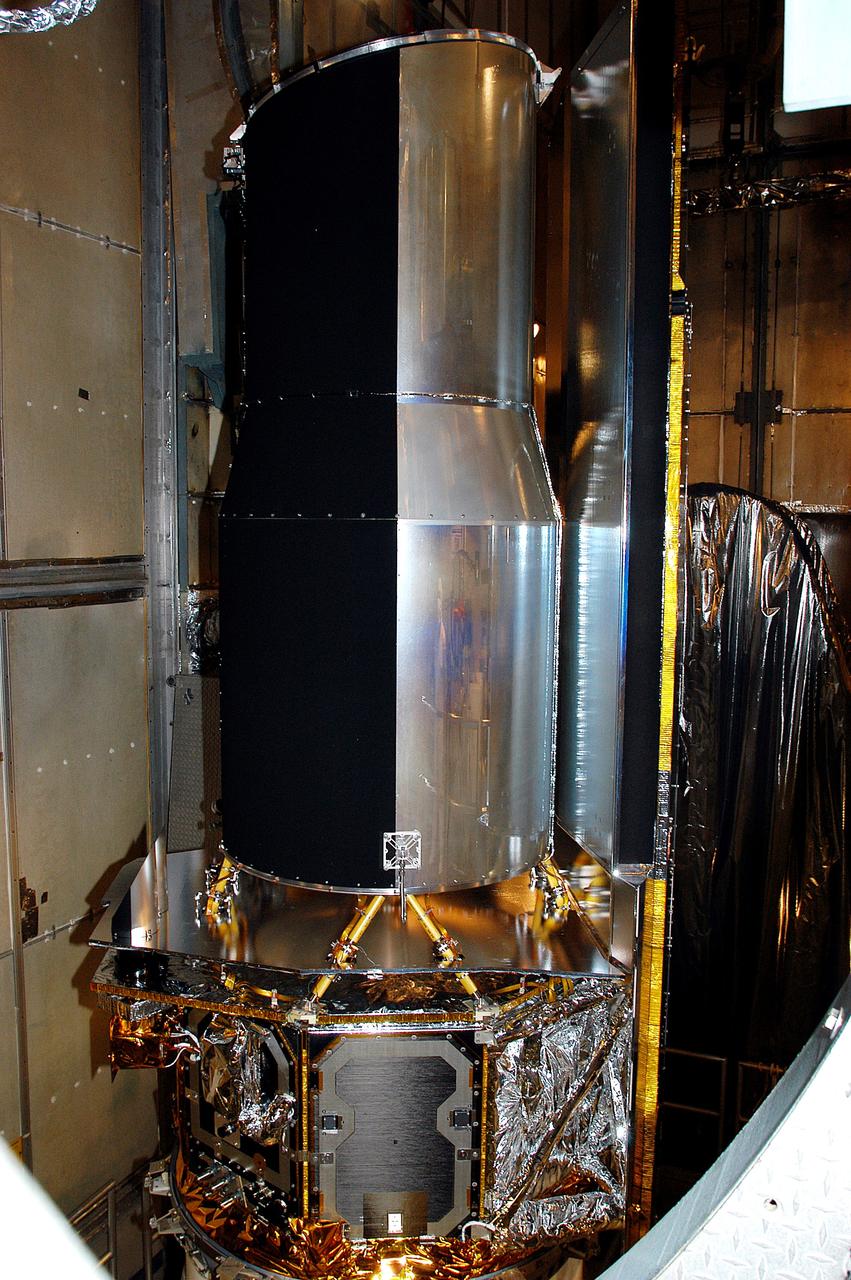
KENNEDY SPACE CENTER, FLA. - In the mobile service tower on Launch Pad 17-B, Cape Canaveral Air Force Station, the Space Infrared Telescope Facility (SIRTF) waits for encapsulation. SIRTF will obtain images and spectra by detecting the infrared energy, or heat, radiated by objects in space. Consisting of a 0.85-meter telescope and three cryogenically cooled science instruments, SIRTF will be the largest infrared telescope ever launched into space. It is the fourth and final element in NASA’s family of orbiting “Great Observatories.” Its highly sensitive instruments will give a unique view of the Universe and peer into regions of space that are hidden from optical telescopes.
Open
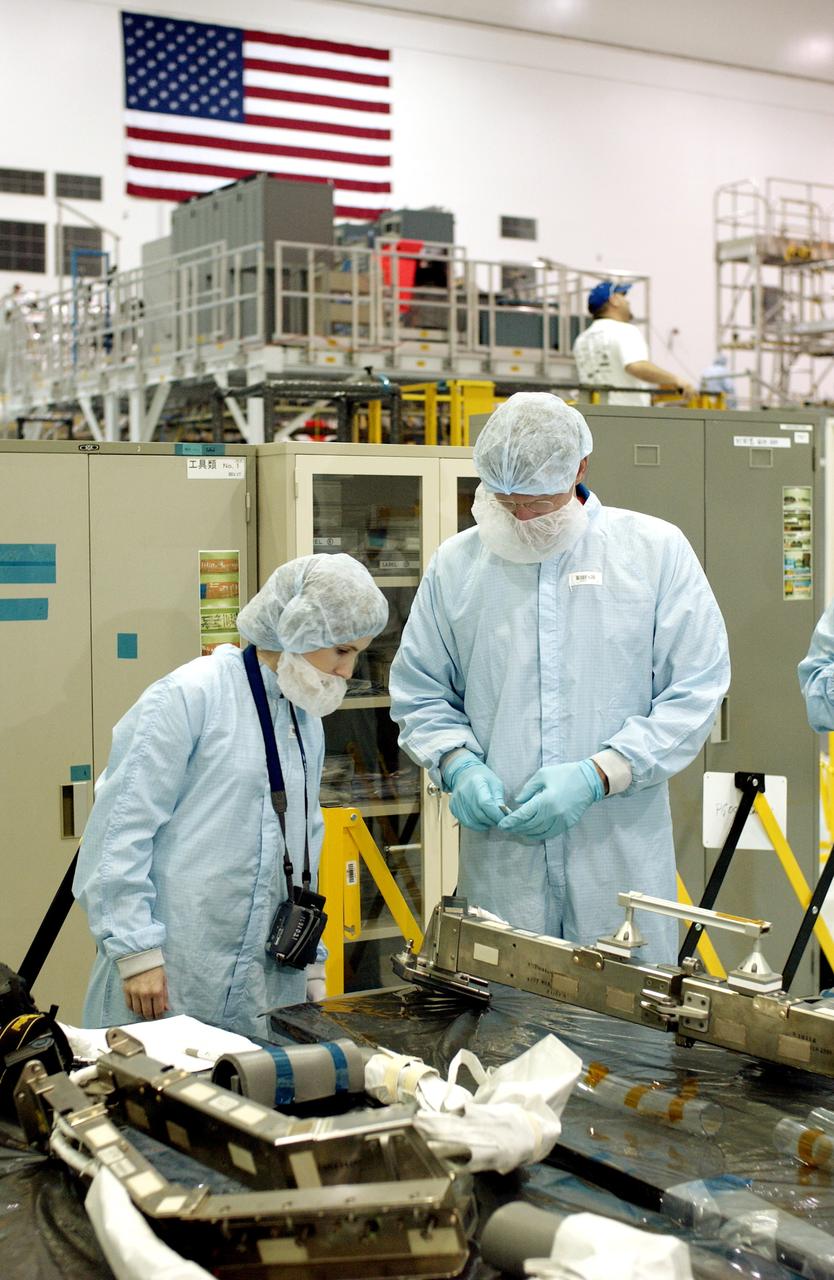
KENNEDY SPACE CENTER, FLA. - In the Space Station Processing Facility, STS-115 Mission Specialist Joseph Tanner (right) checks out a camera and cables for the Japanese Experiment Module (JEM). Known as Kibo, the JEM consists of six components: two research facilities - the Pressurized Module and the Exposed Facility; a Logistics Module attached to each of them; a Remote Manipulator System; and an Inter-Orbit Communication System unit. Kibo also has a scientific airlock through which experiments are transferred and exposed to the external environment of space. The various components of JEM will be assembled in space over the course of three Space Shuttle missions. Equipment familiarization is a routine part of astronaut training and launch preparations.
Open
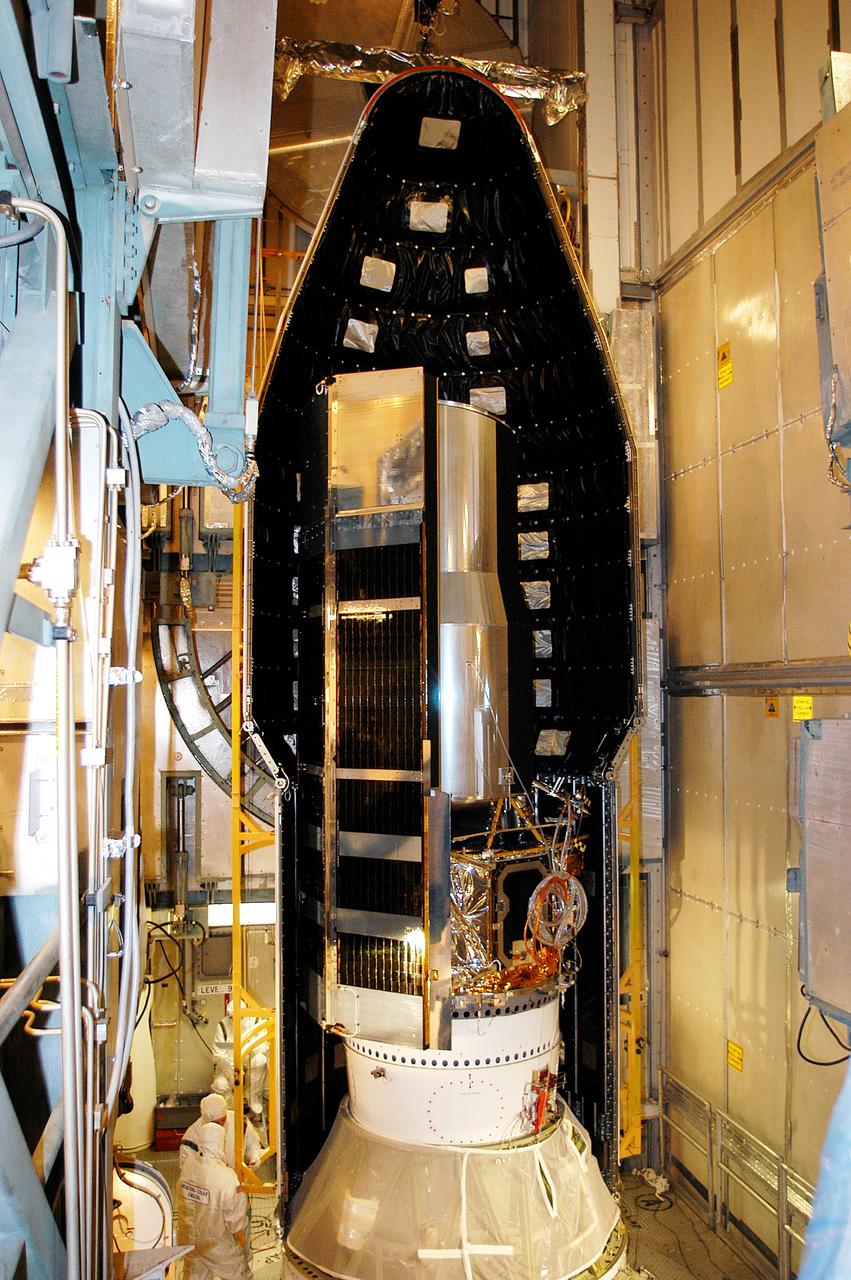
KENNEDY SPACE CENTER, FLA. - In the mobile service tower on Launch Pad 17-B, Cape Canaveral Air Force Station, the first half of the fairing is moved around the Space Infrared Telescope Facility (SIRTF). SIRTF will obtain images and spectra by detecting the infrared energy, or heat, radiated by objects in space. Consisting of a 0.85-meter telescope and three cryogenically cooled science instruments, SIRTF will be the largest infrared telescope ever launched into space. It is the fourth and final element in NASA’s family of orbiting “Great Observatories.” Its highly sensitive instruments will give a unique view of the Universe and peer into regions of space that are hidden from optical telescopes.
Open
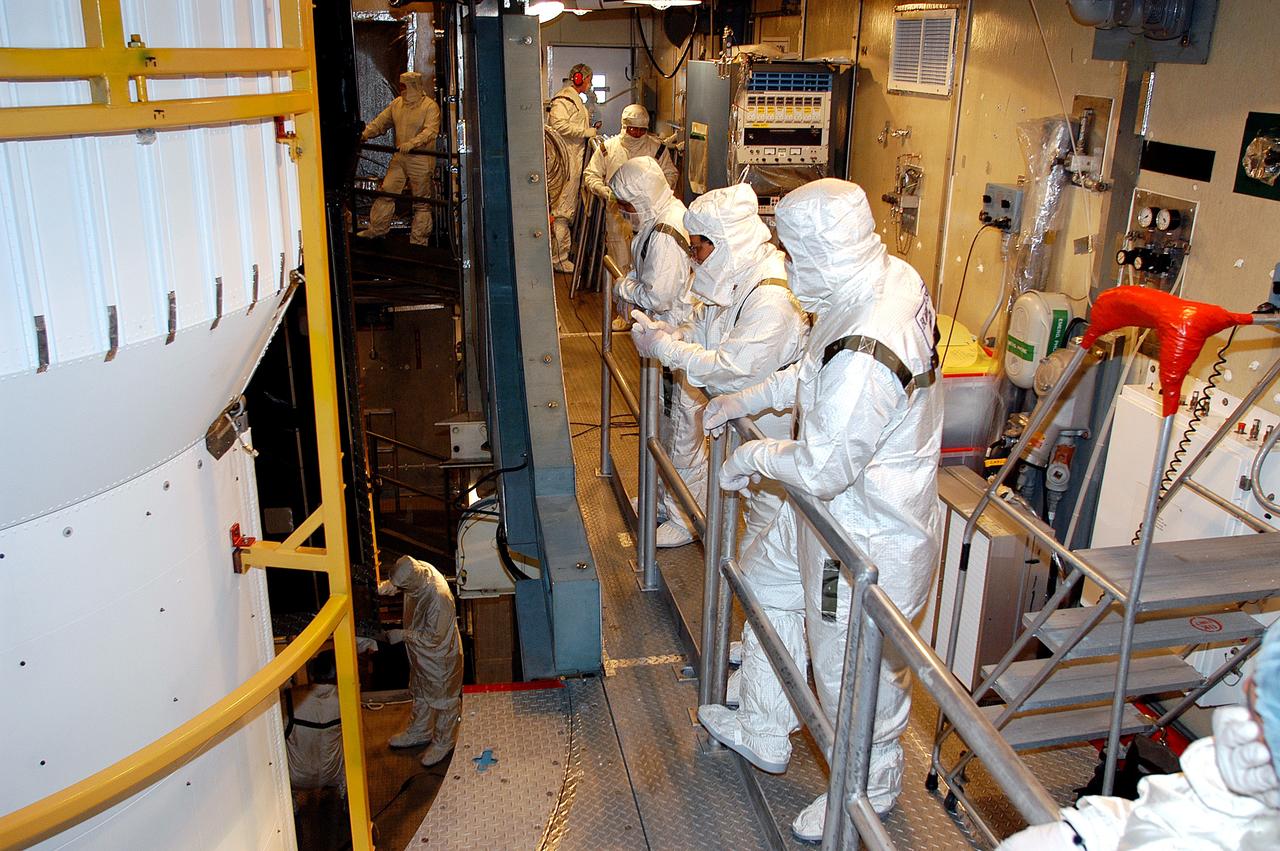
KENNEDY SPACE CENTER, FLA. - In the mobile service tower on Launch Pad 17-B, Cape Canaveral Air Force Station, workers watch as the first half of the fairing moves closer around the Space Infrared Telescope Facility (SIRTF). SIRTF will obtain images and spectra by detecting the infrared energy, or heat, radiated by objects in space. Consisting of a 0.85-meter telescope and three cryogenically cooled science instruments, SIRTF will be the largest infrared telescope ever launched into space. It is the fourth and final element in NASA’s family of orbiting “Great Observatories.” Its highly sensitive instruments will give a unique view of the Universe and peer into regions of space that are hidden from optical telescopes.
Open
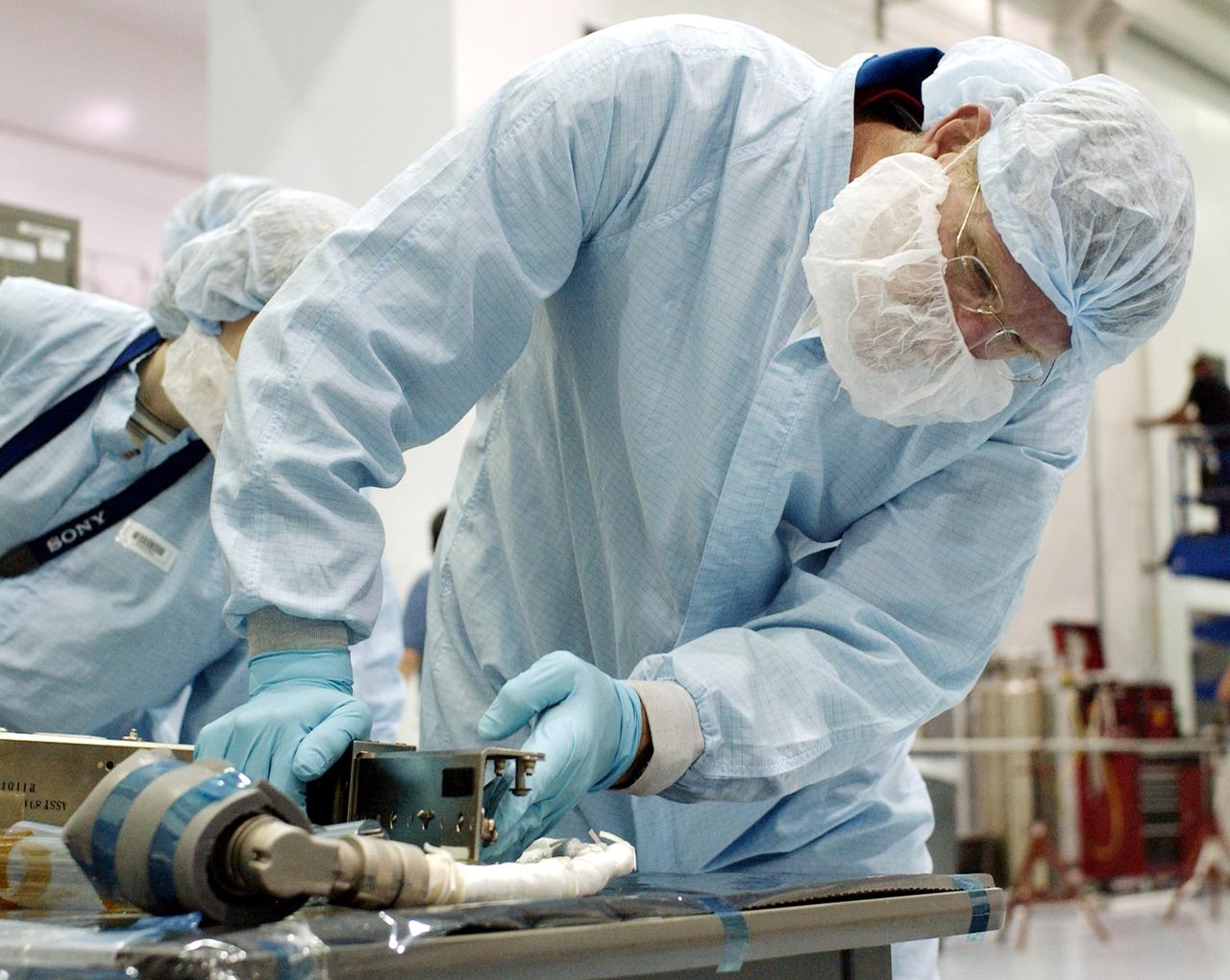
KENNEDY SPACE CENTER, FLA. - STS-115 Mission Specialist Joseph Tanner checks out a camera for the Japanese Experiment Module (JEM) in the Space Station Processing Facility. Known as Kibo, the JEM consists of six components: two research facilities -- the Pressurized Module and the Exposed Facility; a Logistics Module attached to each of them; a Remote Manipulator System; and an Inter-Orbit Communication System unit. Kibo also has a scientific airlock through which experiments are transferred and exposed to the external environment of space. The various components of JEM will be assembled in space over the course of three Space Shuttle missions. Equipment familiarization is a routine part of astronaut training and launch preparations.
Open
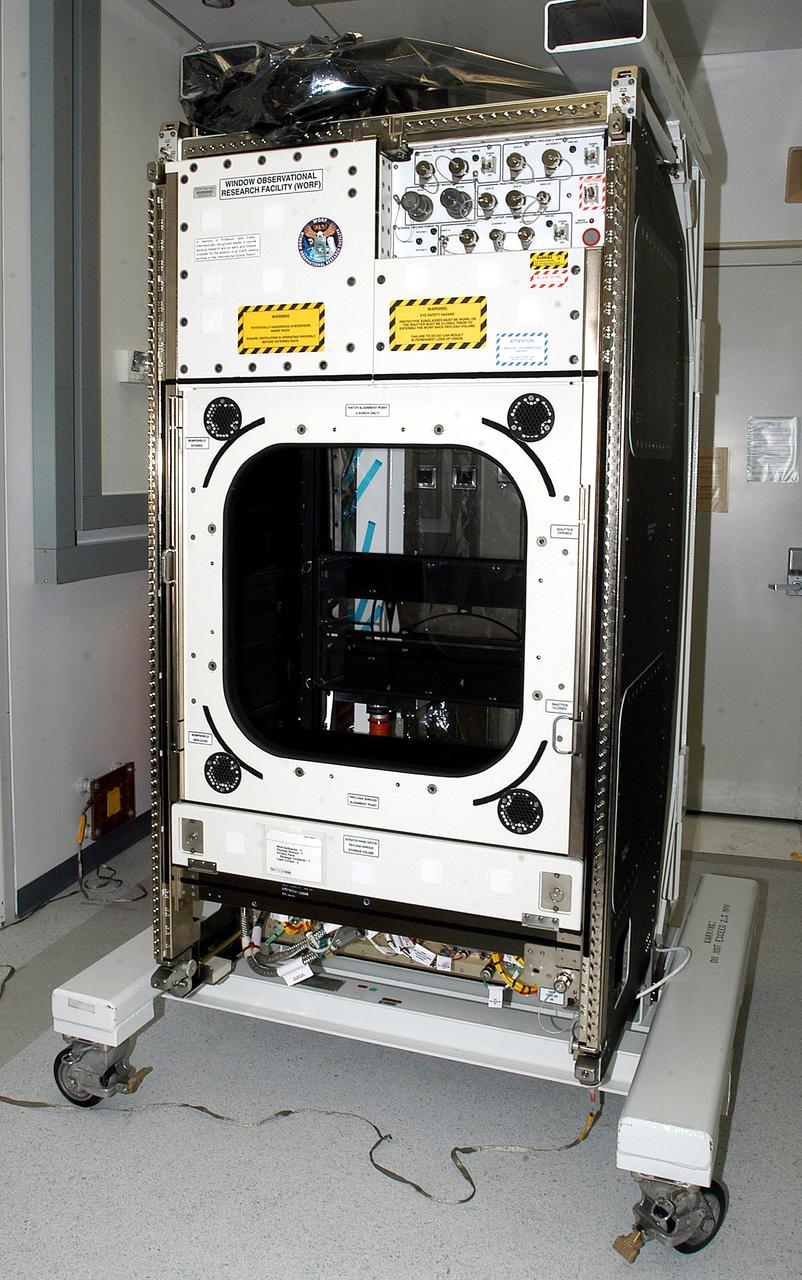
KENNEDY SPACE CENTER, FLA. - The Window Observational Research Facility (WORF), seen in the Space Station Processing Facility, was designed and built by the Boeing Co. at NASA’s Marshall Space Flight Center in Huntsville, Ala. WORF will be delivered to the International Space Station and placed in the rack position in front of the Destiny lab window, providing locations for attaching cameras, multi-spectral scanners and other instruments. WORF will support a variety of scientific and commercial experiments in areas of Earth systems and processes, global ecological changes in Earth’s biosphere, lithosphere, hydrosphere and climate system, Earth resources, natural hazards, and education. After installation, it will become a permanent focal point for Earth Science research aboard the space station.
Open
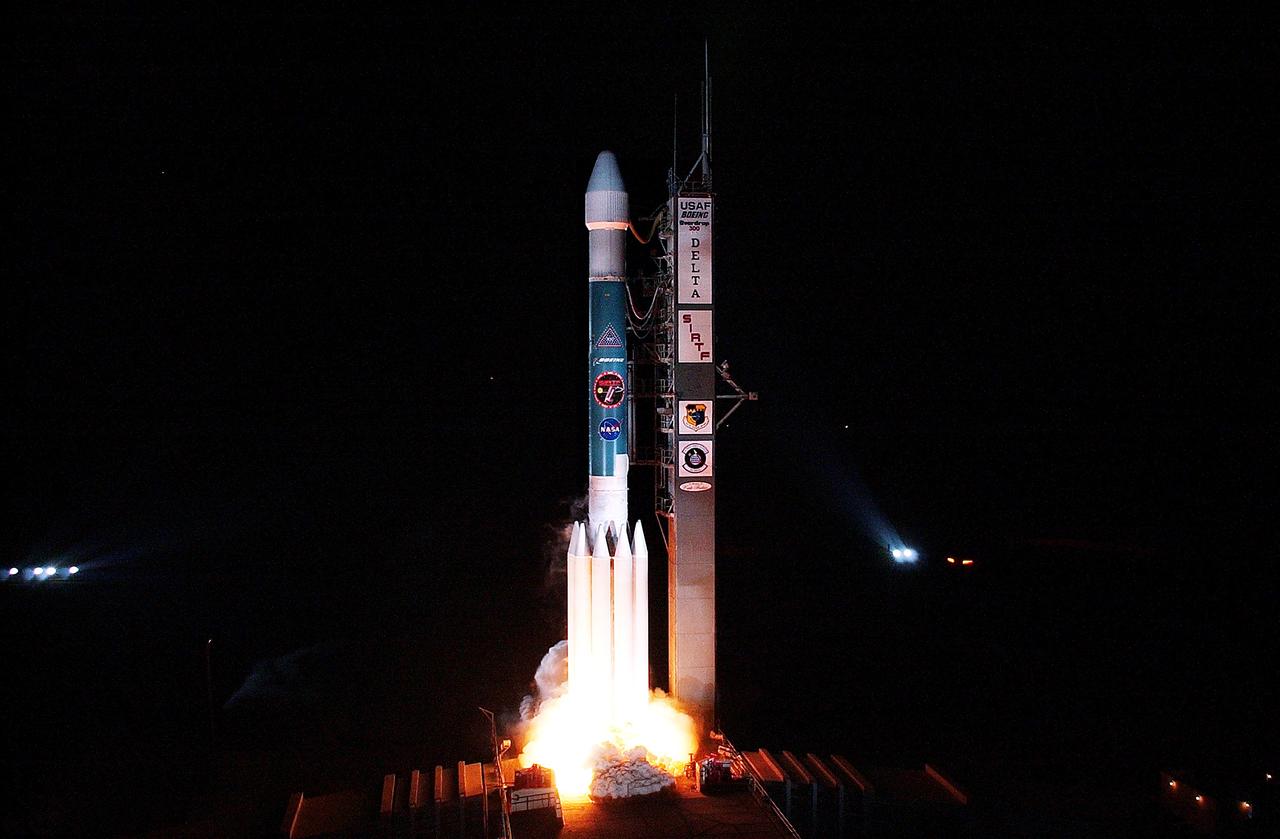
KENNEDY SPACE CENTER, FLA. - NASA's Space Infrared Telescope Facility (SIRTF) lifts off from Launch Pad 17-B, Cape Canaveral Air Force Station, on Aug. 25 at 1:35:39 a.m. EDT. SIRTF will obtain images and spectra by detecting the infrared energy, or heat, radiated by objects in space. Consisting of a 0.85-meter telescope and three cryogenically cooled science instruments, SIRTF will be the largest infrared telescope ever launched into space. It is the fourth and final element in NASA’s family of orbiting “Great Observatories.” Its highly sensitive instruments will give a unique view of the Universe and peer into regions of space that are hidden from optical telescopes.
Open
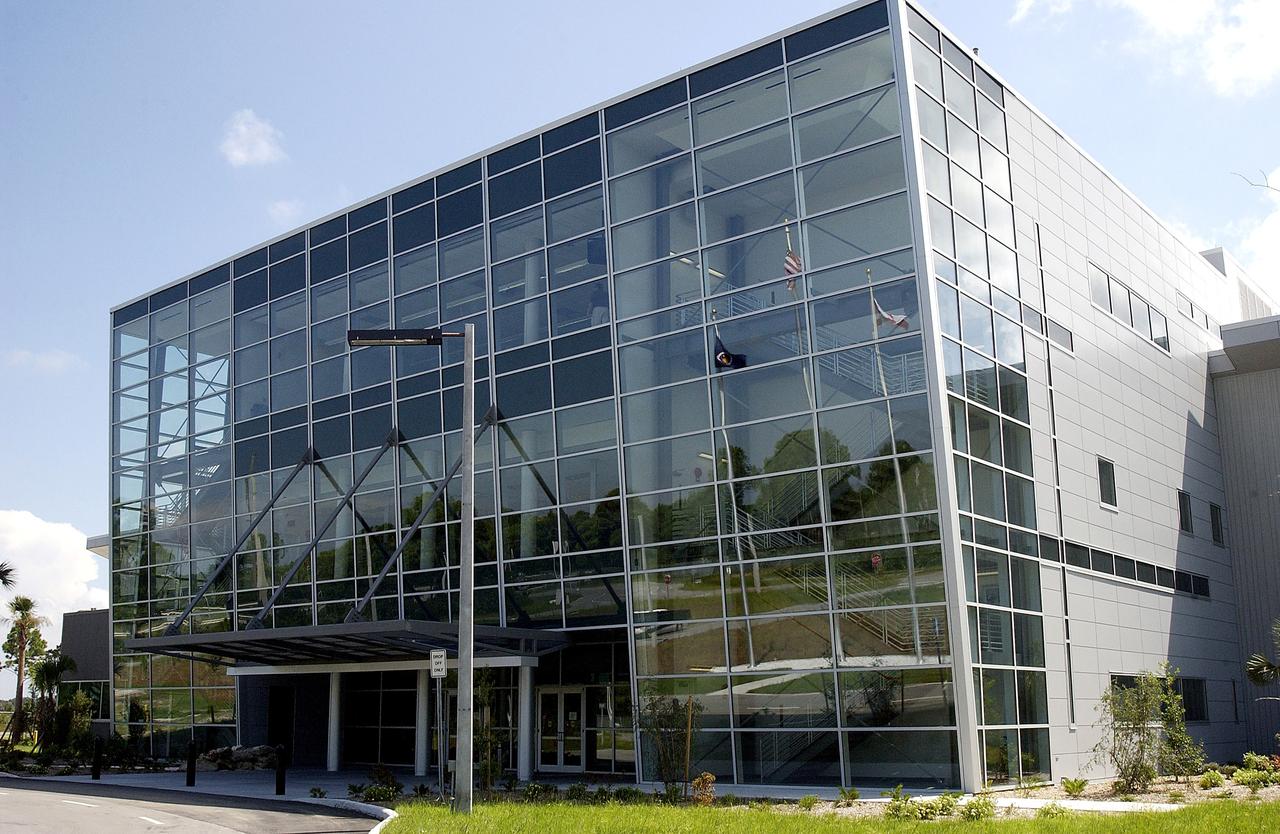
KENNEDY SPACE CENTER, FLA. - The Space Life Sciences Lab (SLSL), formerly known as the Space Experiment Research and Processing Laboratory (SERPL), is nearing completion. The new lab is a state-of-the-art facility being built for ISS biotechnology research. Developed as a partnership between NASA-KSC and the State of Florida, NASA’s life sciences contractor will be the primary tenant of the facility, leasing space to conduct flight experiment processing and NASA-sponsored research. About 20 percent of the facility will be available for use by Florida’s university researchers through the Florida Space Research Institute.
Open
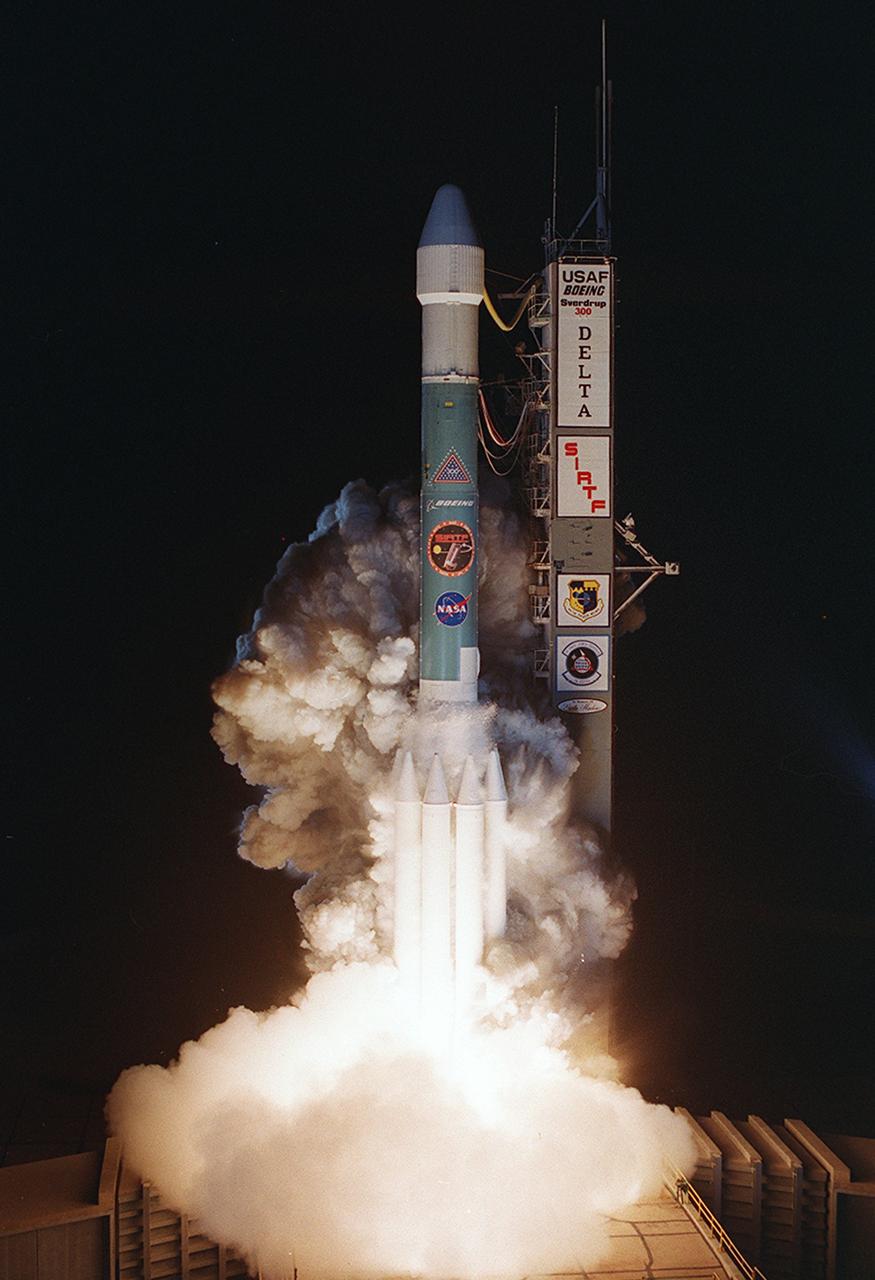
KENNEDY SPACE CENTER, FLA. - NASA's Space Infrared Telescope Facility (SIRTF) lifts off from Launch Pad 17-B, Cape Canaveral Air Force Station, on Aug. 25 at 1:35:39 a.m. EDT. SIRTF will obtain images and spectra by detecting the infrared energy, or heat, radiated by objects in space. Consisting of a 0.85-meter telescope and three cryogenically cooled science instruments, SIRTF will be the largest infrared telescope ever launched into space. It is the fourth and final element in NASA’s family of orbiting “Great Observatories.” Its highly sensitive instruments will give a unique view of the Universe and peer into regions of space that are hidden from optical telescopes.
Open